IX-AG-TL100 Motor Cultivator Specifications, Operation & Selection Guide
A motor cultivator powers rotary blades through soil to break clods, mix residues and prepare seedbeds on smaller fields and gardens.
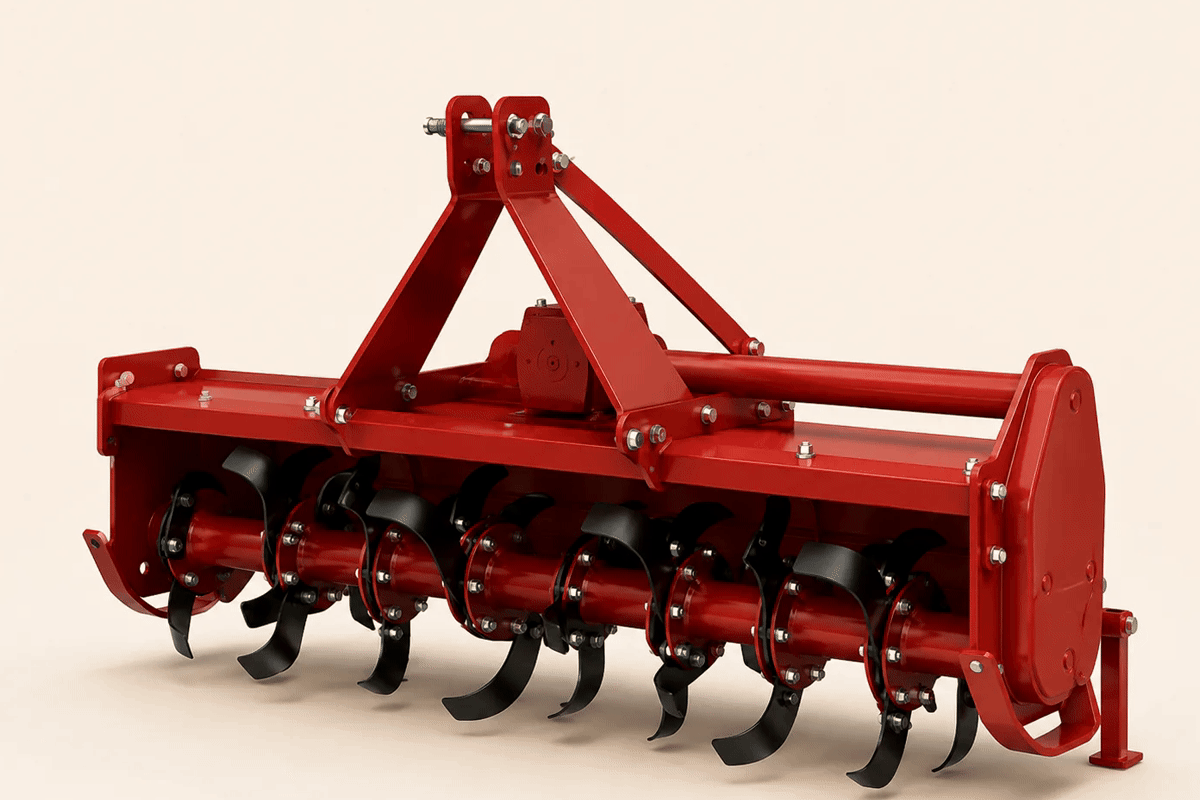
What is IX-AG-TL100?
IX-AG-TL100 is an IXORTA motor cultivator. A motor cultivator powers rotary blades through soil to break clods, mix residues and prepare seedbeds on smaller fields and gardens. Its principal catalogue values are Rated power: 9 HP; Working width: 1000 mm.
Start with the IXORTA Agriculture product range, then use this model page to assess fit, operating needs and the information required for a quotation.
IX-AG-TL100 catalogue specifications
The values below come from the supplied 2026 IXORTA catalogue. Use them to build an initial shortlist, then confirm the exact configuration, options and acceptance criteria in the model-specific quotation.
| Rated power | 9 HP |
|---|---|
| Working width | 1000 mm |
| Working depth | 150–300 mm |
| Blade count | 28 |
| Weight | 95 kg |
Before ordering: confirm the duty, usable capacity, overall dimensions, utilities, safety package, controls, attachments and documentation for the destination market. Download the division catalogue.
Where IX-AG-TL100 sits in the range
IX-AG-TL100 sits between the smaller and larger configurations in this 4-model range, making side-by-side specification comparison especially important.
Shortlist this model when the planned duty is close to its listed values. If the application regularly approaches a limit, compare the adjacent models below and ask IXORTA to check working margin, cycle expectations and future capacity.
How the IX-AG-TL100 works
After checking tine condition and guards, the operator sets depth and handle position, starts in a clear area, engages the rotor gradually and makes overlapping passes without forcing the machine.
The safe sequence depends on the supplied guards, controls, utilities and attachments. Operators should follow the delivered manual, training and site risk assessment. For process examples and planning articles, continue to the IXORTA Agriculture industry guides.
Manufacturing and acceptance checks
Review engine and gearbox mounting, rotor shaft, tine arrangement, guards, depth control, handles, cables, fasteners and a soil-working test.
A useful factory-acceptance record identifies the agreed configuration, principal components, inspection points, test material or load, observed results, open actions, documentation set, packing method and release approval. See IXORTA Agriculture project scopes for the wider delivery context.
Applications and selection questions
Typical applications
- seedbed preparation
- market gardens
- orchard strips
- soil and residue mixing
Confirm before selection
- soil type
- working width
- target depth
- engine power
- transport weight
- tine and spare-part supply
A catalogue capacity alone is not enough. IXORTA should receive the normal and peak operating range, site conditions, utilities, operator experience, destination and delivery constraints before recommending a configuration. Review the division buyer FAQs before sending the enquiry.
Practical working sequence
- Define the job. Record material, load, output, quality and environmental requirements.
- Inspect before start. Check guards, fluids, fasteners, tooling or attachments, connections and the work area.
- Set the equipment. Apply the model manual, verified program or calibrated field setting.
- Prove at low risk. Run a dry cycle, first part, clean-water test or short field pass as appropriate.
- Monitor production. Watch load, sound, temperature, quality, flow, alignment and safety devices.
- Close and record. Isolate safely, clean, inspect wear and log service actions.
Use the project enquiry form to identify any required training, commissioning or operator documentation.
Maintenance priorities
- inspect and replace worn tines
- check gearbox oil and fasteners
- clean the rotor after use
- service engine filters
Intervals depend on operating hours, duty, dust, heat, water quality and the surrounding environment. The delivered manual and component schedules control the final service plan. Send spare-parts and service questions through the IXORTA contact page.
Field planning for the Middle East, Africa, Russia and Central Asia
Match every machine to farm size, climate, soil, crop, tractor power, hitch, PTO or hydraulic flow, seasonal work window, inland transport, operator experience and first-season spare-parts access.
For a useful export quotation, include the destination port, inland route, unloading equipment, site access, local standards, document language, commissioning responsibility and critical spare-parts expectation. Browse regional project examples.
Request a IX-AG-TL100 quotation
Send the intended application, capacity, destination and site conditions. The request is routed to the IXORTA team with this division and model already identified.
Frequently asked questions about IX-AG-TL100
What is the IX-AG-TL100 Motor Cultivator used for?
A motor cultivator powers rotary blades through soil to break clods, mix residues and prepare seedbeds on smaller fields and gardens. Typical applications include seedbed preparation, market gardens, orchard strips, soil and residue mixing.
How does the IX-AG-TL100 work?
After checking tine condition and guards, the operator sets depth and handle position, starts in a clear area, engages the rotor gradually and makes overlapping passes without forcing the machine.
What are the catalogue specifications for IX-AG-TL100?
Rated power is 9 HP; Working width is 1000 mm; Working depth is 150–300 mm; Blade count is 28; Weight is 95 kg. These are catalogue-listed reference values and must be confirmed in the final quotation.
What information should a buyer send for a IX-AG-TL100 quotation?
Send the application, required capacity, materials or operating conditions, utilities, destination country and port, site constraints, preferred options, project timing and installation expectations.
What should be checked before shipment?
The agreed configuration, safety equipment, dimensions, utilities, documentation, factory acceptance scope, packing, spare-parts list, installation responsibilities and destination requirements should be recorded before release.
Source and verification
This article is based on the IXORTA 2026 IXORTA Agriculture catalogue. Final technical values, options, compliance, availability and performance acceptance criteria must be confirmed in the signed quotation.